
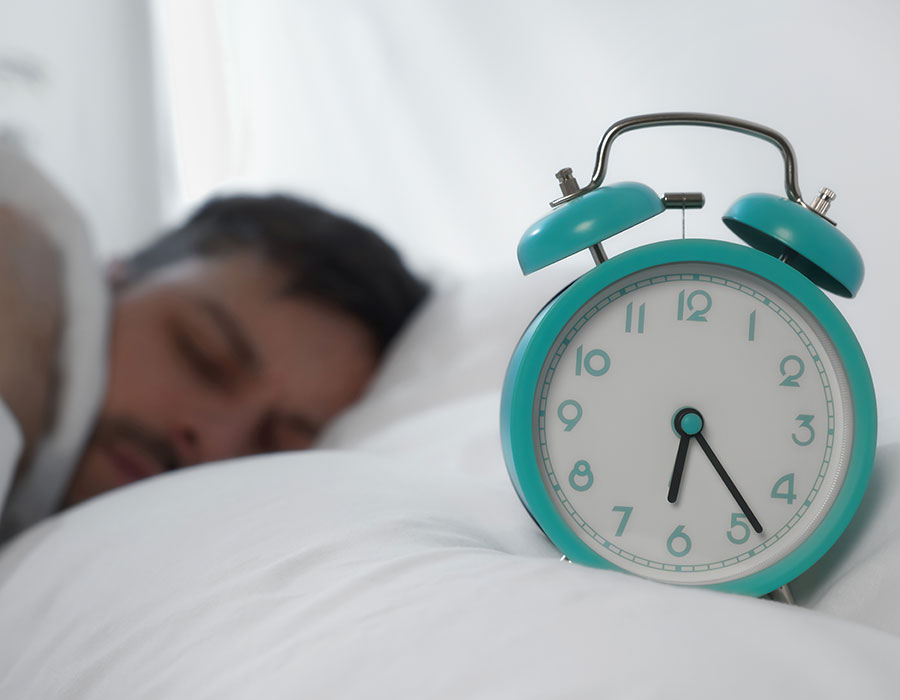
Sleep hygiene includes all practices and habits regarding one’s sleep. Good sleep hygiene is incredibly important for not just brain health but your overall health as well. Since your brain and nervous system play a role in every other system and bodily function, a lack of sleep can affect the body’s ability to remain in homeostasis (balance). It is recommended that the average adult get 7-9 hours of sleep per night, or else their health may be affected.
Some ways that poor sleep hygiene affects the body are:
- Central nervous system: Neurons create new or strengthen existing pathways with other neurons while we sleep. Without sleep, memory issues can occur.
- Immune system: Our bodies create antibodies and cytokines, two important players for a strong immune system, while we sleep. Without sleep, we leave our bodies vulnerable to illness.
- Endocrine system: Many hormones are created while we sleep or require adequate rest to be made during the day. The pituitary gland, which plays a role in stress, is especially vulnerable to lack of sleep.
For a better sleep, try the following techniques:
- Set a schedule – Try to go to sleep and wake up at a consistent time daily.
- Use your bed for sleeping ONLY – No working, watching tv or scrolling the internet.
- Relaxation – practice relaxation techniques like reading, drinking, caffeine-free tea, or bathing before bed.
- Unplug – no electronics before bed as the light they produce affects circadian rhythm (sleep-wake cycle)